Near-death experiences, Life Between Lives regression, and spiritually transformative states reveal what consciousness encounters beyond the veil.

There comes a moment for many people when curiosity about life turns into something quieter and more personal.
It is no longer an abstract question about consciousness or spirituality. It becomes intimate. Something inside recognizes a pattern. Stories of near-death experiences do not feel sensational. They feel familiar, as though they are brushing up against something you already know but have not had language for.
People who have had near-death experiences often struggle to describe them, not because they were vague, but because ordinary language feels insufficient. They speak of awareness separating from the body, of clarity without judgment, of unconditional love that feels intelligent rather than emotional. Many describe a deep knowing that human life is meaningful and, at the same time, extraordinarily difficult. Almost all report a sense of being held and accompanied, even in moments that once felt unbearable and are aware of the deeply ingrained knowing that we are participants in something that we all agreed to play a role in.
What is less commonly discussed is that these same experiences occur regularly in Life Between Lives and beyond sessions and expanded hypnotic states, where consciousness moves beyond the physical body into what practitioners often call the spirit realm. You do not need a medical crisis to access this terrain. You need safety, permission, and the right conditions for awareness to expand.
What Is a Near-Death Experience?
A near-death experience is commonly defined as a lucid experience associated with perceived consciousness apart from the body, occurring at the time of actual or threatened imminent death. This definition, articulated through research compiled by the Near-Death Experience Research Foundation, captures something essential. These experiences are not dreams, hallucinations, or vague impressions. They are structured, coherent, and remembered as more real that human reality by those who experience them.
Near-death experiences are also far more common than most people realize. A Gallup Poll estimated that approximately 13 million Americans may have experienced an NDE, and research suggests that roughly 30 percent of people who face a life-threatening event report some form of near-death experience. These numbers alone challenge the idea that NDEs are rare anomalies.
What research has consistently shown is that NDEs are not psychiatric events. They are not psychosis, dissociation, or wish fulfillment. Experiencers almost universally describe their NDEs as significant and meaningful, even when they feel confused or unsettled afterward, which is common and takes time to adjust and integrate. Many report having more questions than answers, yet they hold a deep certainty that what occurred was real.
Stories shared on platforms like the Coming Home Channel echo these findings again and again. While the imagery varies, the meaning does not.
The Common Elements of Near-Death Experiences
Across thousands of accounts, certain patterns consistently emerge. The order may vary, and not every experience includes every element, but the themes are strikingly stable.
People often describe consciousness separating from the physical body, sometimes observing their surroundings from above or at a distance. In some cases, individuals report seeing or hearing events that are later confirmed by medical staff or loved ones, despite having been unconscious at the time.

Intense emotional states frequently follow. These may include profound peace, calm, or joy, though fear can briefly arise as awareness adjusts. Some report hearing distinctive sounds such as buzzing, ringing, or musical tones. Many describe movement through a tunnel or dark passage toward light, which is often experienced not just as brightness, but as a loving, intelligent presence.
Encounters with other beings or departed loved ones are common. Communication often occurs without words, conveying understanding rather than instruction. Life reviews may unfold as panoramic experiences in which individuals see how their actions affected others. These reviews are not experienced as judgment, but as compassionate clarity.
Many experiencers describe reaching a boundary, such as an energetic membrane, gate, body of water, or threshold, beyond which they sense they cannot go if they are to return to physical life. The return may feel voluntary or involuntary (however even if seemingly involuntary, a knowing of choice accompanies) and is often, in times of trauma – car crash, lightning strike, severe injury – by physical pain and as healing occurs – emotional complexity. Afterward, many report dramatic lasting changes, including the obliteration of fear of death, shifts in values, increased compassion, and, in some cases, heightened intuitive or perceptual sensitivity.
Life Between Lives States and the Same Underlying Truth

What is often overlooked is how closely these experiences mirror what occurs in Life Between Lives states accessed through deep hypnotic regression. Life Between Lives work explores consciousness between physical incarnations and has been studied extensively by organizations such as the Michael Newton Institute.
In these expanded states, people describe many of the same elements reported in near-death experiences: separation from the body, encounters with loving intelligences, panoramic life reviews, and a profound sense of meaning and continuity beyond a single lifetime. The emotional tone is remarkably similar. Love is unconditional. Judgment is absent. Understanding arises naturally.
One of the most important insights from Life Between Lives work is that human life is experienced as challenging, but, by design. Earth is often experienced as a dense environment where consciousness temporarily narrows and becomes more dense in order to experience limitation, emotion, and growth. Difficulty is not framed as punishment or failure, but as a feature of incarnation itself.
This perspective does not minimize suffering. Instead, it restores context. Pain is acknowledged, but it is no longer meaningless. And through these experiences, people gain a recollection of their soul’s intention in coming to the dense human realm of polarity and physicality.
When Near-Death Experiences Are Not Remembered
An important and often misunderstood aspect of near-death experiences is that not everyone consciously remembers them.
In preliminary research conducted by my teacher, mentor, and colleague, Paul Aurand, cardiac arrest patients in Canada revealed a striking pattern. Although many had no conscious memory of a near-death experience after resuscitation, hypnotic regression consistently allowed them to access deeply coherent spiritual experiences beyond the veil. These experiences were not created by suggestion. They emerged naturally once the nervous system felt safe enough to recall them.
This suggests that some near-death experiences may be encoded beyond ordinary memory, particularly when the body is under extreme stress. The absence of conscious recall does not mean nothing happened. It may simply mean the experience was not immediately accessible.
For many people who survive cardiac arrest, medical trauma, or other life-threatening events, this explains a lingering sense of having been changed without knowing why. They may feel disoriented, more sensitive, or quietly certain that something meaningful occurred beyond what they can remember. Hypnotic regression offers a grounded, respectful way to explore these experiences, allowing memory and understanding to surface at the pace the nervous system can tolerate.
When These Experiences Are Labeled “Impossible” or “Pathological”

One of the most painful aspects of near-death experiences, Life Between Lives states, and other spiritually transformative experiences is not the experience itself. It is what often happens afterward.
Many people learn very quickly that sharing what they encountered beyond the veil can come at a cost. Their experiences may be dismissed as hallucinations, explained away as oxygen deprivation, or quietly categorized as fantasy. In some cases, they are met with skepticism that feels condescending. In others, they sense an unspoken threat that continuing to speak openly could lead to being judged unstable, delusional, or mentally ill.
This creates a profound kind of isolation.
People who have had these experiences are often already vulnerable. They may be recovering from medical trauma, grief, or a life-threatening event. To then be told, explicitly or implicitly, that what they experienced was “not real” or “impossible” can fracture trust in their own perception. Some stop speaking about it altogether. Others begin to doubt themselves, even when the experience remains deeply meaningful and coherent.
It is important to say this clearly and responsibly: having a near-death experience or spiritually transformative experience is not a mental illness. Research consistently shows that these experiences are not psychosis, not dissociation in the pathological sense, and not indicators of psychiatric dysfunction. In fact, many experiencers function well psychologically and report increased empathy, clarity of values, and reduced fear of death after their experiences.
The challenge is that our current cultural and medical frameworks are still catching up to the reality of expanded states of consciousness. Much of modern psychiatry and medicine is built on models that assume consciousness is produced solely by the brain. Experiences that do not fit neatly into that assumption are often treated with suspicion, not because they are dangerous, but because they are inconvenient to existing paradigms.
This does not mean medicine or psychology are wrong or harmful. It means they are incomplete.
When experiences are prematurely labeled as impossible or pathological, people lose access to meaning. And meaning matters. Without it, individuals may struggle with confusion, depression, anxiety, or a sense of alienation that has nothing to do with the experience itself and everything to do with how it was received.
This is why safe, informed, and respectful spaces for integration are so important. People need places where they can explore what happened to them without being pathologized or pressured into belief. They need to be met with curiosity rather than correction, with listening rather than diagnosis.
Expanded states of consciousness require context, not containment.
When these experiences are understood within a broader framework that includes near-death research, Life Between Lives exploration, and spiritually transformative experiences, something shifts. People regain trust in their inner knowing. They are able to integrate insight without losing grounding. The experience becomes a source of resilience rather than isolation.
You are not broken for having touched something beyond ordinary awareness. You are not naïve, unstable, or unscientific for taking your experience seriously. And you are not alone in having navigated the quiet pressure to stay silent.
What is changing now is not the experiences themselves. It is our willingness to listen to them without fear.
Spiritually Transformative Experiences and Integration
Near-death experiences, Life Between Lives states, and expanded hypnotic states all fall under a broader category known as spiritually transformative experiences. These are experiences that permanently alter how a person understands themselves, life, and reality itself, and they turn out to be totally nondenominational. People report having interactions with ascended masters like Jesus and Mother Mary as well as members of the Archangelic Realm as well as encounters with Guides, Ancestors and beings from other realms and universes.
What matters most is not the experience alone, or its implications upon the perceptual frame of humanity, but how it is integrated within the experiencer. Without support, people can feel overwhelmed, isolated, confused, or disconnected from ordinary life. With support and integration, expanded awareness becomes stabilizing rather than disorienting. Insight translates into compassion, patience, and more conscious participation in daily life.
This is why intellect still matters. Healthy exploration of expanded states does not bypass critical thinking or psychological stability. It integrates intuition and the felt experiences to build sovereign, self-discernment, allowing meaning to emerge without spiritual bypass, dissociation, or paradigm collapse.
Exploring Beyond the Veil Safely and Intentionally

Most people do not arrive at this work suddenly. There is often a progression. It begins with reading or listening to accounts that feel familiar rather than extraordinary. Reflection follows, as questions arise quietly. For some, this leads to intentional exploration through guided hypnosis or regression. Many of my clients are followers of Dr. Michael Newton or Dolores Cannon’s pioneering work in expanded states of consciousness.
If you feel drawn to explore expanded states of consciousness directly, you can explore this work through guided sessions at NoraYollesYoung.com. This includes Life Between Lives exploration, past life regression, and gentle regression to explore forgotten or partially remembered near-death or spiritually transformative experiences.
If you have experienced a near-death event, cardiac arrest, or other profound spiritual experience and feel that something meaningful occurred beyond what you can recall, you are welcome to contact me to discuss whether regression work may be appropriate for you. These conversations are grounded, respectful, and led at your pace.
And if you have had a near-death experience and feel called to share it, consider contributing your story to research efforts such as those hosted by the Near-Death Experience Research Foundation. Collective understanding grows when experiences are honored rather than dismissed.
Dr. Michael Newton’s Early Research and the Foundations of Life Between Lives
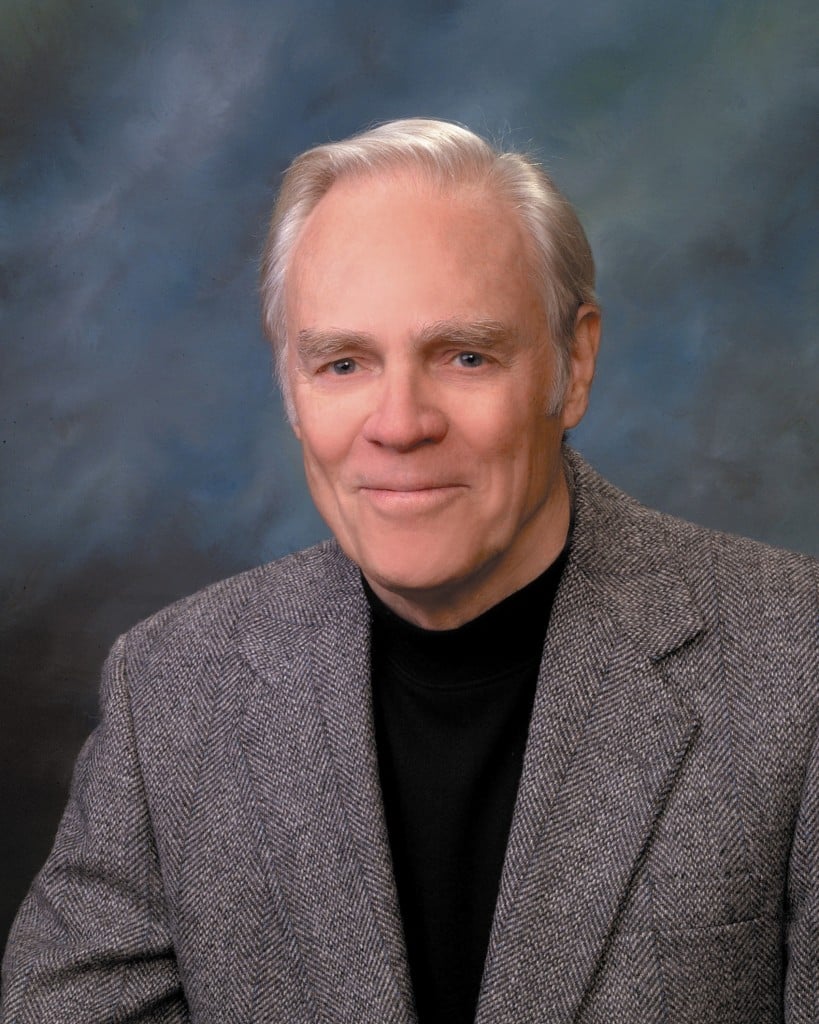
Dr. Michael Newton was a highly trained behavioral psychologist and researcher who did not set out to prove reincarnation or the existence of an afterlife. In fact, he initially identified as a skeptic. His work began within the framework of traditional psychology, grounded in clinical rigor rather than spiritual belief.
What changed his perspective was not theory, but observation.
Through thousands of client sessions, Dr. Newton began to notice that deeply consistent memories were spontaneously emerging during hypnosis. These memories were not fragmented, symbolic, or dreamlike. They were coherent, emotionally grounded, and remarkably similar across individuals from vastly different backgrounds. As he later described, the material was “too real and too connected to be ignored.”
Over a span of thirty-five years, Dr. Newton documented and analyzed more than 7,000 individual cases. From this extensive body of work, he developed a detailed working model of what he termed the Life Between Lives state, describing consciousness between incarnations and the spiritual environment encountered there. His findings offered a structured framework for understanding the purpose of incarnation, the continuity of consciousness, and the developmental nature of the soul.
Dr. Newton eventually shared this research with the world through his seminal books Journey of Souls and Destiny of Souls, which continue to inspire hundreds of thousands of readers worldwide. For many, these works resonated not as belief systems, but as recognitions of something deeply familiar.
His legacy continues through the work of the Michael Newton Institute, which preserves, studies, and expands upon his original research through trained Life Between Lives facilitators and ongoing scholarly inquiry.
New and Emerging Research from the Michael Newton Institute
Building upon Dr. Newton’s foundational work, the Michael Newton Institute has recently launched an ambitious global research initiative exploring what it calls The Evolving Consciousness of Humanity. This project represents a new chapter in Life Between Lives research, moving beyond individual case studies toward a broader, collective inquiry.
The study brought together thirty-seven experienced Life Between Lives facilitators from fourteen countries across four continents, including North America, Australia, Asia, and Europe. Each participant was already highly skilled in accessing the expanded, superconscious state associated with LBL work. This allowed the inquiry to reach a depth that would not have been possible with novice participants.
Facilitators participated in shared Life Between Lives sessions, both giving and receiving insights while maintaining strict confidentiality between one another. This structure ensured that the information gathered was independent and unbiased, free from personal influence or cross-contamination. The focus was placed entirely on the information accessed within the superconscious state.
The overarching intention of the project was to gain insight into humanity’s current stage of consciousness, the challenges being faced collectively, and the guidance available from higher levels of awareness during this period of rapid change.
Seven core questions were explored:
What is the current state of human consciousness?
How can souls best support humanity at this time?
What is the most effective way for individuals to contribute to the collective good?
- LBL Research Questions
- How can people more easily access their soul’s wisdom?
- What types of souls are incarnating on Earth now?
- What guidance can be offered to those struggling with these changes?
- What potential within humanity has yet to be realized?
Key Themes Emerging from the Research
The responses gathered through this project describe humanity as being in a transitional phase of consciousness. There is a palpable tension between awakening and fragmentation, between emerging awareness and deeply ingrained fear, division, and confusion. Many insights pointed to a clear split between older paradigms and newer ways of perceiving reality, visible across political, social, and spiritual systems.
Despite this division, the research consistently conveyed optimism. Humanity was described as being drawn forward by forces of growth and evolution, even when the process appears chaotic or destabilizing.
One of the most consistent themes across all responses was the role of love, not as sentiment, but as an energetic and unifying force. Love was described as the most powerful contribution individuals can make, capable of dissolving fear, fostering compassion, and restoring coherence both internally and collectively.
Participants also emphasized the importance of turning inward to access soul wisdom. Quiet reflection, presence, creative expression, and the release of conditioned fear were repeatedly identified as accessible pathways for reconnecting with deeper guidance.
When addressing those who are struggling, the guidance emphasized acceptance, self-compassion, presence, and the conscious release of fear-based conditioning. The message was not one of urgency, but reassurance. Change is underway, and it is navigable.
Perhaps most striking was the description of humanity’s unrealized potential. As consciousness continues to expand, individuals are believed to access capacities previously thought impossible, supported by both inner development and technological advancement. One guiding statement from the research encapsulated this theme clearly:
“To live with a human’s potential is to live with a soul’s potential.”
Ongoing Afterlife Research and Global LBL Practice
The Michael Newton Institute continues to support and advance Life Between Lives research through facilitators working in more than forty countries and over twenty-five languages. Case studies, articles, and research findings are shared through MNI publications, including Wisdom of Souls, Memories of the Afterlife, Stories of the Afterlife, and The Little Book of Life Between Lives.
Together, this body of work represents one of the most extensive and methodical explorations of consciousness beyond physical life currently available. It offers not doctrine, but data. Not belief, but lived experience gathered across decades.
For many, this research does not introduce something new. It simply gives language and structure to what their own inner knowing has been quietly holding all along.
What These Experiences Ultimately Reveal
Whether accessed through a near-death experience, Life Between Lives work, or expanded hypnotic states, the core realizations are remarkably consistent.
We Humans are: MORE than our bodies.
LOVED without condition.
Life IS MEANINGFUL, even when it hurts.
We’re NEVER alone.
And consciousness continues INFINITELY beyond what we were taught to believe.
You do not need to force meaning from these experiences. Meaning unfolds naturally when awareness is met with curiosity, safety, and support. The connection beyond the veil is not something you need to earn. It is something you already carry, waiting for the moment you are ready to remember.
Another wonderful resource for NDE Research is: IANDS.ORG
The Role of IANDS and Why This Research Matters

As interest in near-death experiences has grown, one of the most important developments has been the emergence of organizations dedicated to studying these experiences with rigor, compassion, and openness rather than dismissal. One of the most respected of these organizations is the International Association for Near-Death Studies, commonly known as IANDS.
IANDS is an educational nonprofit devoted to researching near-death experiences and related phenomena, supporting experiencers, and educating the public. Their work matters because it helps move near-death experiences out of the shadows of stigma and into a framework where they can be discussed responsibly, without ridicule or premature diagnosis.
Near-death experiences are now understood as profound personal events that occur at the boundary between life and death. They are reported by people who were clinically dead, close to death, or facing extreme physical or psychological threat. Millions of people around the world have described similar experiences across cultures and throughout history, strongly suggesting that NDEs are not isolated or idiosyncratic events, but shared human phenomena.
IANDS research highlights a crucial point: while no two near-death experiences are exactly the same, they share a consistent set of characteristics that have been documented for more than fifty years. These often include out-of-body experiences, encounters with a tunnel or light, meetings with deceased loved ones or spiritual beings, panoramic life reviews, and a sense that the experience was more vivid and real than ordinary waking life.
Importantly, these experiences are not limited by age, culture, belief system, education level, or background. Near-death experiences have been reported by children and adults, across religious and non-religious populations alike. There are no known cultural or psychological conditions that predict who will or will not have an NDE. In short, anyone can have one.
One of the most meaningful contributions of IANDS is their focus on the aftereffects of near-death experiences. Many experiencers report lasting changes in values, relationships, and worldview. Fear of death often diminishes. Compassion and service-oriented values increase. At the same time, some experiencers struggle with integration, especially when their experience is dismissed or misunderstood by family, medical professionals, or the broader culture.
IANDS also plays a vital role in addressing the scientific questions surrounding NDEs. Researchers affiliated with IANDS and related institutions study neurological data, psychological patterns, and firsthand accounts to better understand what these experiences reveal about consciousness. While there is no single accepted explanation for what causes near-death experiences, there is growing consensus that they cannot be reduced to hallucinations or simple brain malfunction.
Equally important is IANDS’ commitment to community. Through support groups, conferences, peer-to-peer gatherings, and their extensive registry of personal NDE accounts, experiencers are given a place to speak openly without fear of being labeled unstable or “crazy.” This alone can be profoundly healing.
For those who have had a near-death experience, or suspect they may have had one they cannot fully remember, knowing that organizations like IANDS exist can be deeply reassuring. It confirms that these experiences are being taken seriously, studied thoughtfully, and honored as meaningful events rather than dismissed as pathology.
Near-death experiences challenge many of our assumptions about consciousness, the brain, and what it means to be human. The work of IANDS helps ensure that these questions can be explored with curiosity rather than fear, and with respect for both scientific inquiry and lived experience.
If you are seeking further research, support, or community around near-death experiences, IANDS offers a wealth of educational resources, peer-reviewed research through the Journal of Near-Death Studies, and opportunities to connect with others who understand the transformative nature of these events
When viewed alongside Life Between Lives work and expanded hypnotic states, the research supported by IANDS helps illuminate a broader truth: experiences beyond the veil are not anomalies. They are part of a spectrum of human consciousness that we are only beginning to understand.
A Gentle Invitation Forward
If reading this has stirred something quiet inside you, you don’t need to rush to interpret it. Curiosity is enough. Recognition is enough. Still, for some people, there comes a moment when reading and reflecting naturally want to become experience.
Exploring Life Between Lives for Yourself
If you feel drawn to explore a Life Between Lives session, or to gently revisit a possible forgotten or partially remembered near-death or spiritually transformative experience, this work can be approached in a grounded, respectful way. A 1:1 session is not about convincing you of anything or imposing meaning. It is a carefully facilitated process that allows your own awareness to unfold at a pace your nervous system can integrate.
If you’d like to talk through whether an LBL session or regression exploration is appropriate for you, you’re welcome to schedule a discovery call here:
👉 Explore Life Between Lives and Beyond sessions with Nora
A discovery call is simply a conversation. No pressure, no obligation, just space to ask questions and feel into what’s right for you.
When Experience Becomes a Calling to Facilitate
For some, personal exploration naturally evolves into something more. After touching expanded states of consciousness, there can be a quiet but persistent sense of wanting to hold space for others with the same care and integrity.
If you feel drawn to facilitate Life Between Lives work or other expanded hypnotic states professionally, the Soul Connection Hypnosis Certification Training offers a comprehensive, trauma-informed, and professionally grounded pathway. This is a 12-day professional certification training, designed for practitioners who want both depth and rigor.
The next cohort begins February 19, 2026.
You can learn more about the training here:
👉 Explore the Soul Connection Hypnosis Certification Training
Training is not about becoming someone new. It’s about learning how to steward expanded states of consciousness responsibly, ethically, and with deep respect for the human nervous system.
There is no right pace and no single path. Whether you are here to understand your own experience, to explore more deeply, or to step into facilitation, the doorway opens in its own time.
You are welcome exactly where you are.